The Phoenix Metropolitan Area is working their way to bring autism to the forefront.
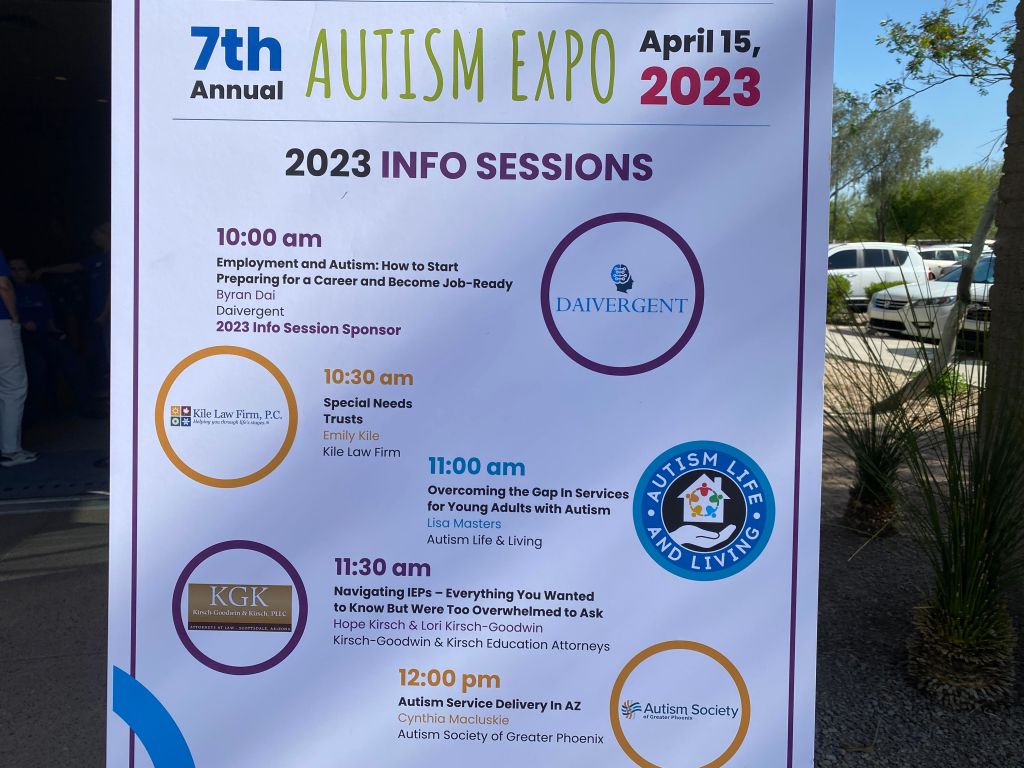
According to Plan: The 7th Annual Autism Expo had a variety of different scheduled seminars that took place. 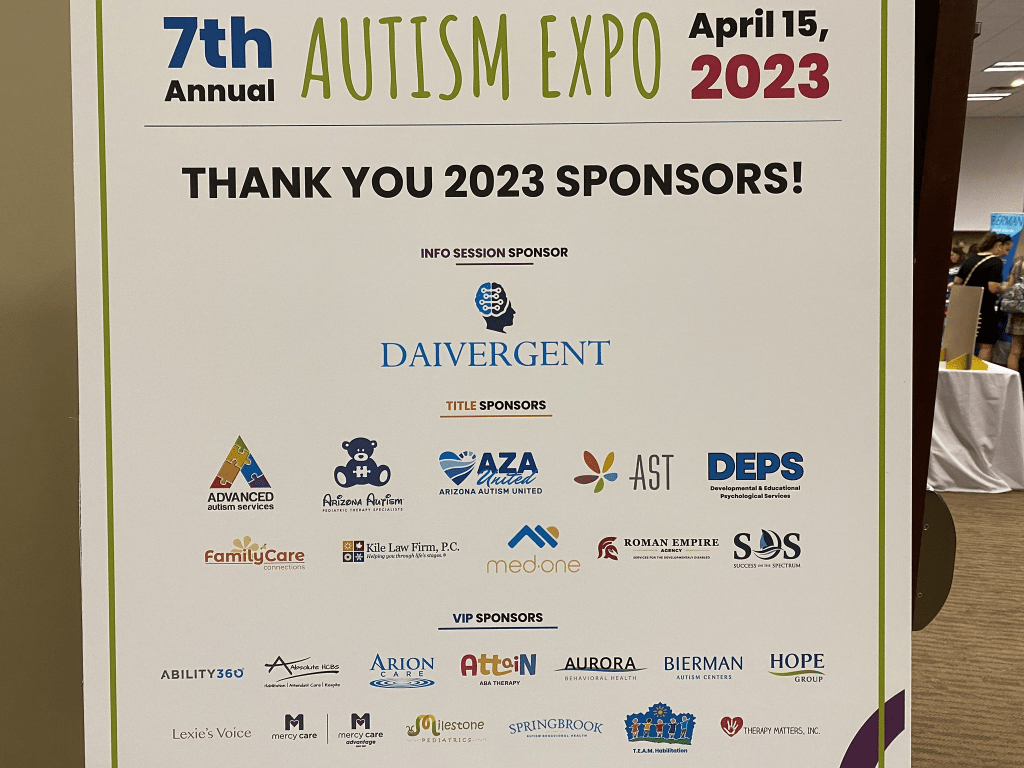
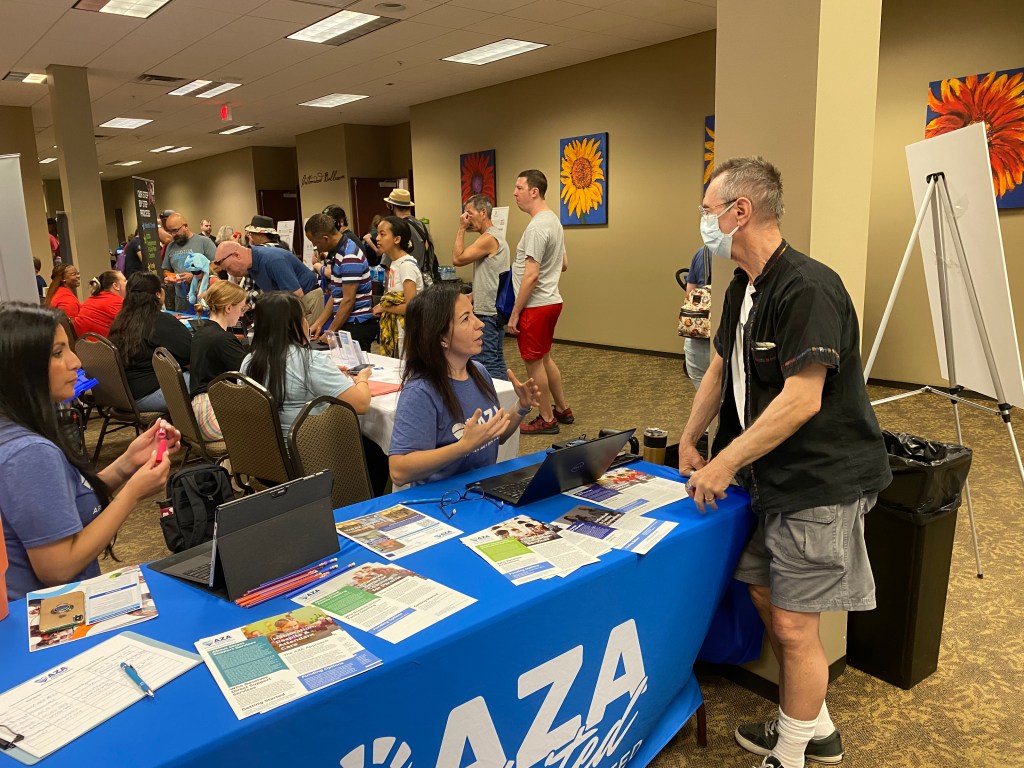
Pillars of Support: Over 70 exhibitors representing the best autism services throughout the Phoenix Metropolitan Area serve as sponsors for the 7th Annual Autism Expo, which include AZA United, Roman Empire Agency, Arizona Autism, Autism Society of Greater Phoenix, DAIVERGENT, Advanced Autism Services, among many others. 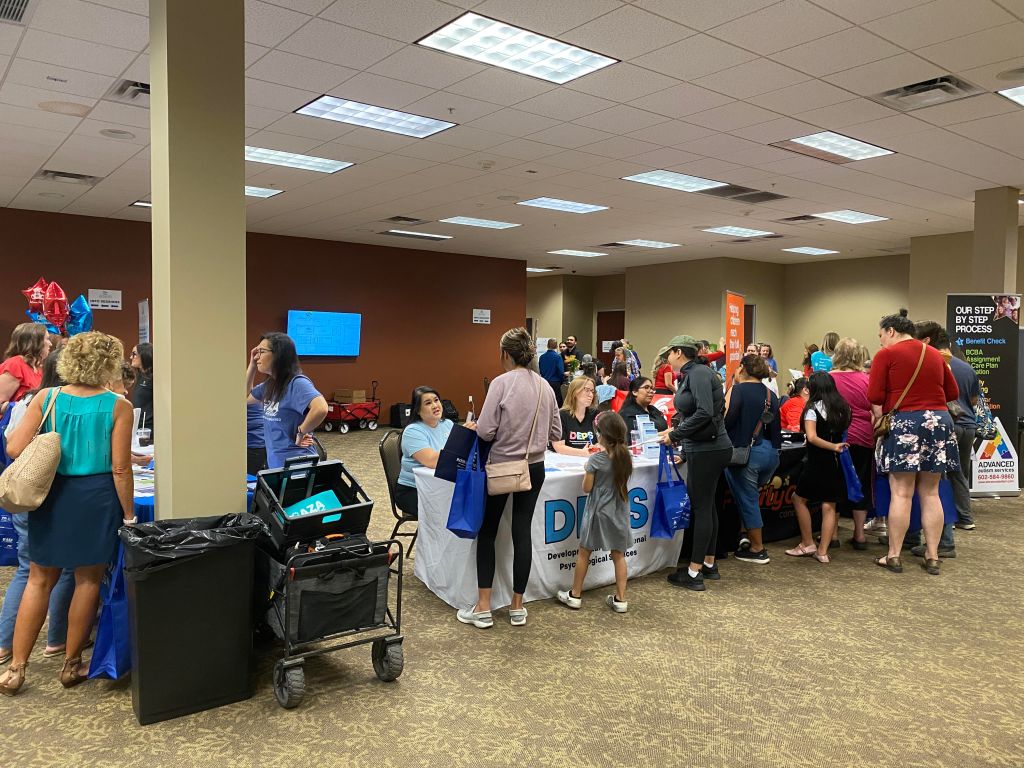
Line Up: The expo fills up with a lot of attendees (both young and old). The lines for various autism vendor booths also get a little crowded! So many people asking questions, so little time. 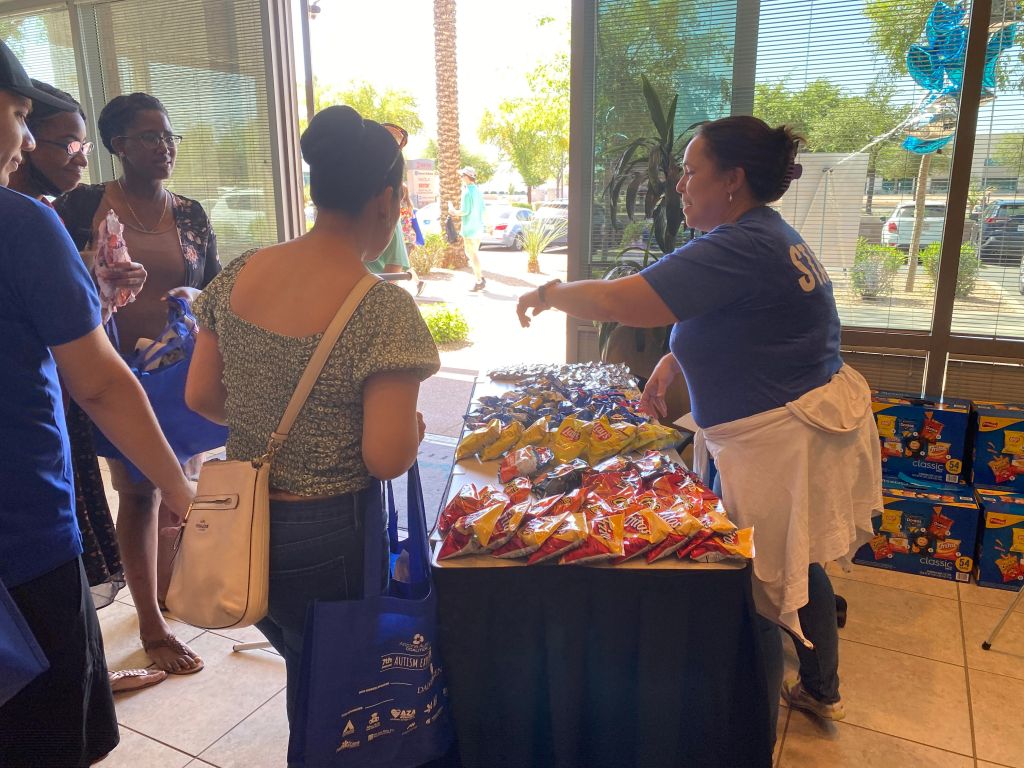
Help Yourself: Guests attending the 7th Annual Autism Expo in Phoenix were given a lovely array of snacks by members of the Arizona Autism Coalition. 
Q&A: Cynthia Macluskie, board member of Autism Society of Greater Phoenix, hosts a panel about beneficial services provided for those with autism during the 7th Annual Autism Expo. 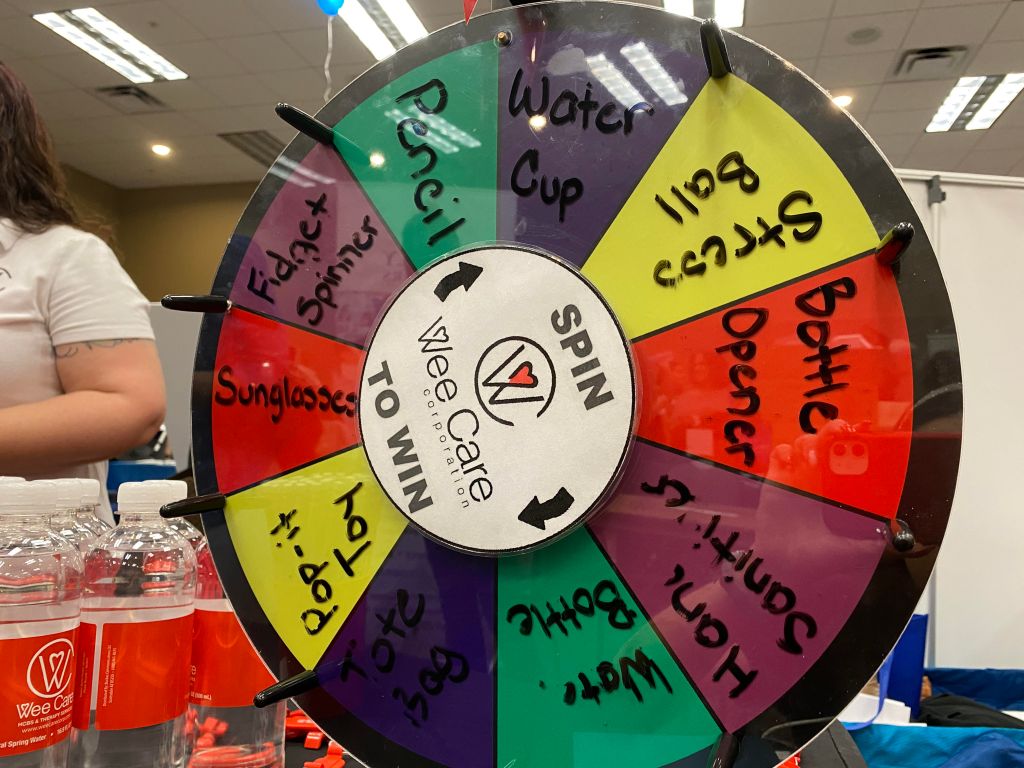
Spin the Wheel: Various autism vendors had stations containing autism service brochures as well as fun spinning wheel games for people to earn prizes!
PHOENIX – Nearly 578 attendees (both children and adults alike) fill Phoenix’s Desert Willow Conference Center for Arizona’s 7th Annual Autism Expo hosted by Arizona Autism Coalition with over 70 exhibitors representing the best autism services throughout the Phoenix Metropolitan Area. Children and adults on the autism spectrum gather to search for a variety of non-profit autism resources that can benefit and accommodate them positively. Nevertheless, is the Phoenix Metropolitan Area welcoming towards people on the autism spectrum, if yes, then why and how?
Autism is one of the most well-known, global neurological disorders in the world. According to the World Health Organization (WHO), approximately “one in 100 children” are on the spectrum worldwide. Furthermore, the Centers for Disease Control and Prevention (CDC) explains how “1 in 44 children” in the United States are diagnosed with autism. Autism, or sometimes known as autism spectrum disorder (ASD), is a neurological and developmental condition where it causes the brain to develop differently, resulting in challenges with socializing, repetitive behavior, and communication. Some of the most common traits associated with autism include not making eye contact, hypersensitivity to certain sounds and sights, repetitive movements (such as flapping or twirling), having a limited range of interests, hesitancy towards change, not being able to understand emotions (whether their own emotions or someone else’s emotions), having potential learning disabilities, delays in speech, and whatnot. This condition has no cure and has no status as to what causes autism, but it has been said that autism can be treated in a variety of ways.
While it has been known that “1 in 44” American children are on the spectrum, Arizona has statistics of their own when it comes to ASD. A couple of studies were made by the CDC, with help from Arizona Developmental Disabilities Surveillance Program (ADDSP). One study was made involving 8-year-old autistic children and their IQ, showing a pie chart displaying varying IQ scores of autistic children and evaluating whether they developed an intellectual disability while on the spectrum.

Another study was made by the CDC and the Autism and Developmental Disabilities Monitoring (ADDM) discussing the prevalence of autism in specific racial and ethnic groups in the state of Arizona. CDC would report, “Over time, ADDM reports have consistently noted that more non-Hispanic white children are identified with ASD than non-Hispanic black or Hispanic children. Previous studies have shown that potential barriers to identification of children with ASD.”. As a result, non-Hispanic Whites have been identified with autism, far higher than African Americans, Asian Pacific Islanders, and Hispanics. However, the prevalence of autism in Arizona is growing exponentially upon different backgrounds compared to the previous decades, and the state is striving to work hard to create plenty of autism-related services for everyone and anyone.
“People are becoming more aware of it [autism] as well. There’s definitely a high need for different types of services.” says Emily Lorah, executive director of Roman Empire Agency, an autism-related service in Phoenix.
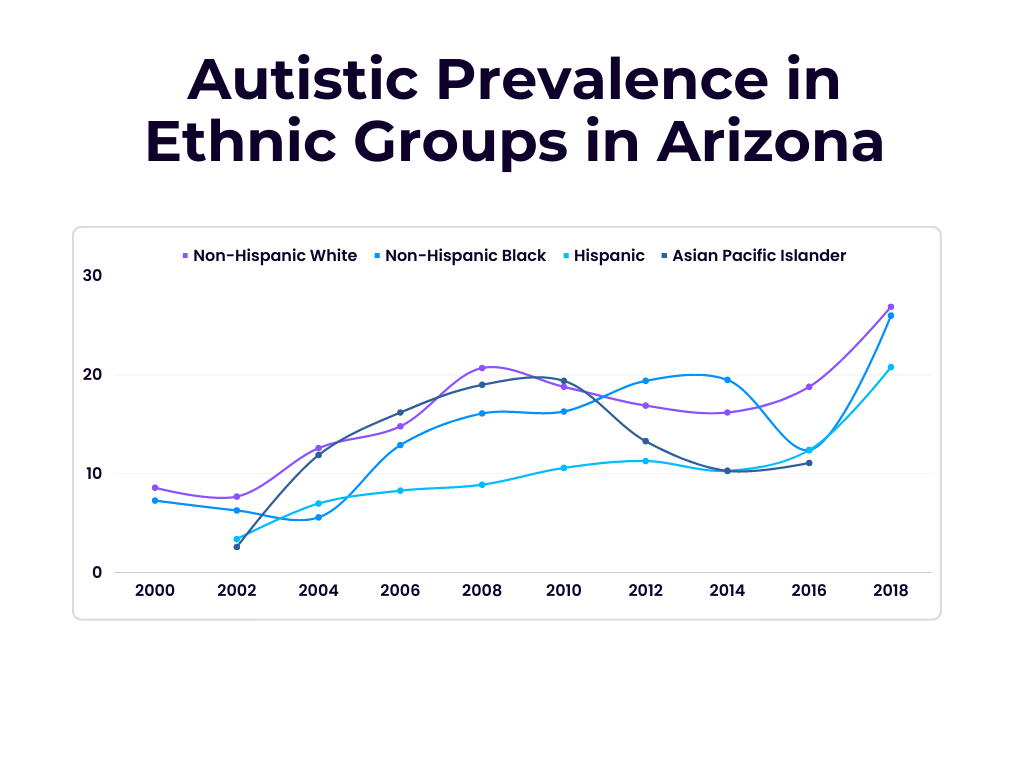
Because of the unexpected rise in autism diagnoses across the Phoenix Metropolitan Area, there is a high demand for services and organizations for families who are in need of help.
“There’s never not a need for [autism] services.” says Jay Gepson, the clinic coordinator of Arizona Autism. “There are so many services available, and the waitlist is ever-growing. There are more services being established every day. We’re never short of services.”
Throughout the Phoenix Metropolitan Area, special nonprofit services are popping up from left to right, aiming to help and accommodate children and adults who are on the spectrum. Services include AZA United, Autism Society of Greater Phoenix, Arizona Autism, AACT: Arizona, Arizona Institute of Autism, the Roman Empire Agency, Arizona Autism Coalition, HOPE Group, EPI HAB, AST, Advanced Autism Services, Kyo, among many others. Even schools like Arizona State University are getting themselves involved in autism accommodations.
“I feel like overall it [Phoenix] is a very autism friendly location.” says Ashley Ostrowski, a member of Project HOPE. “When somebody is able to realize all the autism services they have accessible to them, it really helps utilize the different aspects and different resources in the community. I do think there is a lot of inclusive employers as well as inclusive populations that allow individuals with autism to be themselves and let them thrive in the community.”
 Elizabeth Sedlak